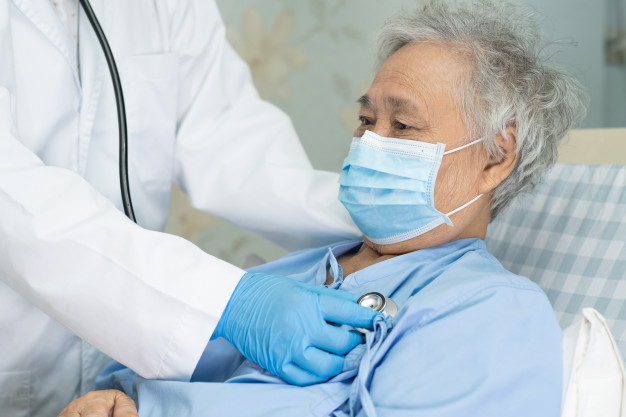
Postoperative Care And Recovery
Post-transplant, recipients stay in the intensive care unit (ICU) for the first 1-2 days to allow close monitoring for any complications. After this, they often move to a transplant recovery unit within the hospital for further recovery.
Patients’ blood sugar levels will be checked at regular intervals, so that we can monitor how well their new pancreas is working. They may receive some insulin in the early days of operation. In case of SPK, they might also require temporary hemodialysis if the transplanted kidney takes some time to start working.
While the patient is in the transplant ward, a special type of ultrasound (Duplex scan) or CT scan will be done regularly to specifically look at the blood flow of the newly transplanted pancreas.
Patients are advised chest and muscular physiotherapy and depending upon their progress, are discharged within 10-15 days after surgery.
While the patient recovers from the operation, the family should take the opportunity to learn about precautions to be taken after discharge, understand the schedule for testing and follow-up appointments, become familiar with medicines, learn about the warning signs of potential problems and understand the mechanism to contact your transplant team round-the-clock in case of urgent problems.
At the time of discharge, patients will get a discharge summary with detailed instructions about testing and medication schedule. After discharge, patients are required to undergo tests and visit post-transplant clinic every 5-7 days. They should therefore stay in the vicinity of the hospital for 4-6 weeks after discharge.
General guidelines after discharge
 For the first 2-3 months after surgery, patients are advised to wear a face mask and avoid crowded public places like malls, cinemas, restaurants, markets and departmental stores. After this period, they can start attending social events and live a normal life
Patients should avoid meeting people who are ill and suffering from fever, flu, cold, cough and loose motions
Stitches/ Staples are generally removed within 3-4 weeks of surgery and the incision site should be kept clean and dry till then
Oral hygiene should be maintained by brushing teeth daily and rinsing mouth after eating
Daily shower or bath is advisable. Wash hands with antibacterial soap before meals and after using the bathroom
Minor injuries such as cuts and scrapes should be immediately washed with soap and water. If they do not heal well, call your doctor
Report to your physician any suspicious lumps or growths in armpits, groin, or elsewhere on your body
Do not handle pets or pet waste
Smoking is not allowed after transplant. It will increase greatly the risk of chest infections
A healthy diet, exercise and plenty of rest is important
Advised medications must be taken at the same time each day