Pancreas Cancer
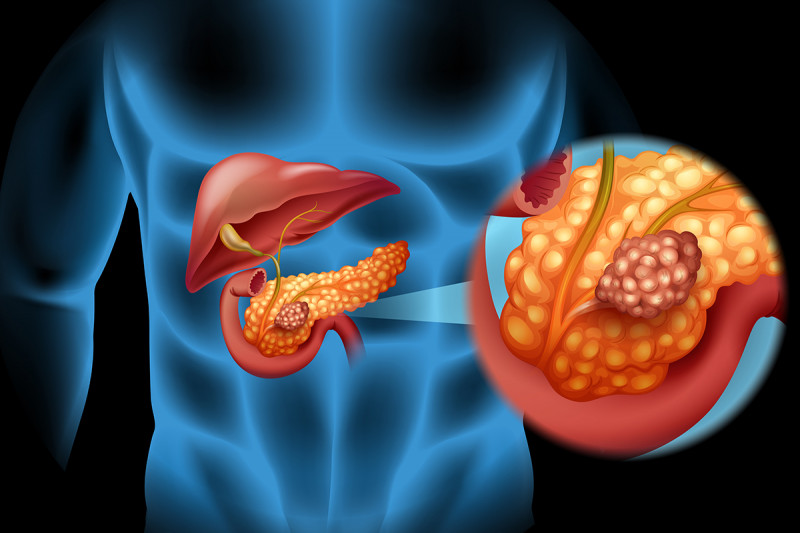
A cancer that develops within the pancreas falls into two major categories: (1) cancers of the endocrine pancreas called Islet cell tumors or pancreatic neuroendocrine tumors (PNET) and (2) cancers of the exocrine pancreas developing from the cells that line the system of ducts that deliver enzymes to the small intestine and commonly referred to as pancreatic adenocarcinoma.
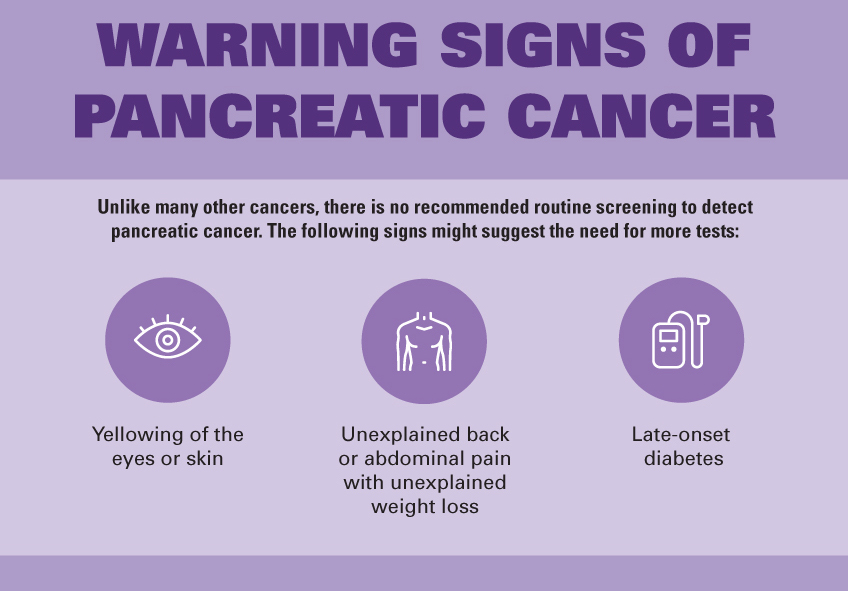
More than 95% of the pancreatic cancer is the exocrine type and islet cell tumors account only for less than 5 % of all the pancreas cancers. The most common symptoms of pancreas cancer include:
 Jaundice
Abdominal pain: dull aching pain in the upper abdomen radiating to the back
Loss of weight and loss of appetite
Nausea and vomiting
New onset diabetes mellitus
In general, pancreas cancer often goes undetected until it's advanced and difficult to treat. Symptoms appear earlier from cancers in the head of the pancreas, compared to those in the body and tail.
Diagnosis : Diagnosis is usually made by blood investigations (CEA, CA19-9) and imaging tests which may include CT scan of the abdomen along with Endoscopic Ultrasound (EUS), Endoscopic retrograde cholangiopancreatography (ERCP) or percutaneous needle biopsy
Treatment : The best treatment for pancreatic cancer depends on its spread and its stage (Resectable, Locally advanced or Metastatic).
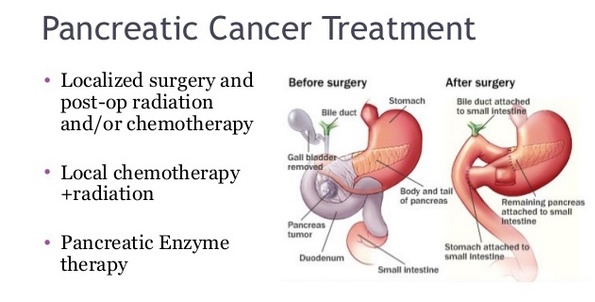
Resectable : Three types of surgical procedures are described for resectable pancreatic cancer :
Whipple’s procedure (Pancreaticoduodenectomy)
Distal pancreatectomy
Total pancreatectomy
Chemotherapy (with 5-FU or Gemcitabine) or radiation therapy or both can also be used in conjunction with surgery
Locally advanced Pancreatic Cancer : For locally advanced pancreatic cancer, treatment consists of chemotherapy with or without radiation therapy
Metastatic Pancreatic Cancer : In metastatic pancreatic cancer, surgery is used only for symptom control, such as for pain, jaundice, or gastric outlet obstruction. Radiation may be used for symptom relief, as well
Palliative treatment : As pancreatic cancer progresses, the priority of treatment will shift from extending life to alleviating symptoms, especially pain, jaundice and itching. There are numerous treatments which can provide relief from this discomfort. This includes ERCP with duct stenting (to relieve jaundice and itching) and nerve blocks (for relief of pain)