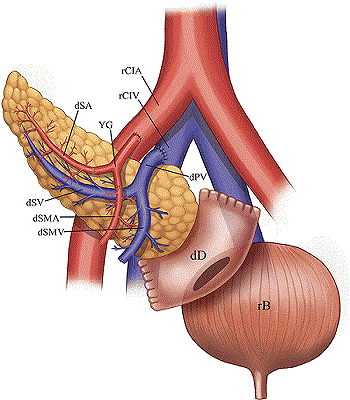
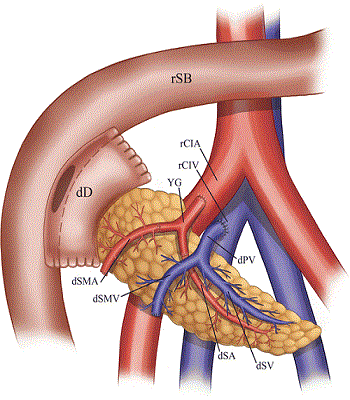
Pancreas Transplant Alone (PTA)
This involves placement of healthy pancreas alone into the recipient. PTA is considered as a definitive therapy in patients with Type 1 diabetes mellitus and normal native renal function, who exhibit any of these three criteria:
 Frequent, acute and severe metabolic complications such as ketoacidosis and hypoglycemic unawareness
Clinical and emotional problems related to exogenous insulin therapy that are so severe as to be incapacitating
Consistent failure of insulin-based management to prevent acute complications
The risk-versus-benefit calculation for PTA typically favors patients who are good surgical candidates with low cardiac risk profiles and who suffer from poor quality of life due to frequent unanticipated hypoglycemic episodes or frequent emergency room visits for diabetic ketoacidosis.
Pancreas transplant alone (PTA) has been increasingly performed during the last decades around the world. It is an effective and safe procedure, providing high rates of long-term insulin independence. It has also been shown to reduce cardiovascular risk factors, retinopathy and neuropathy in respective studies.