Long term complications of diabetes mellitus
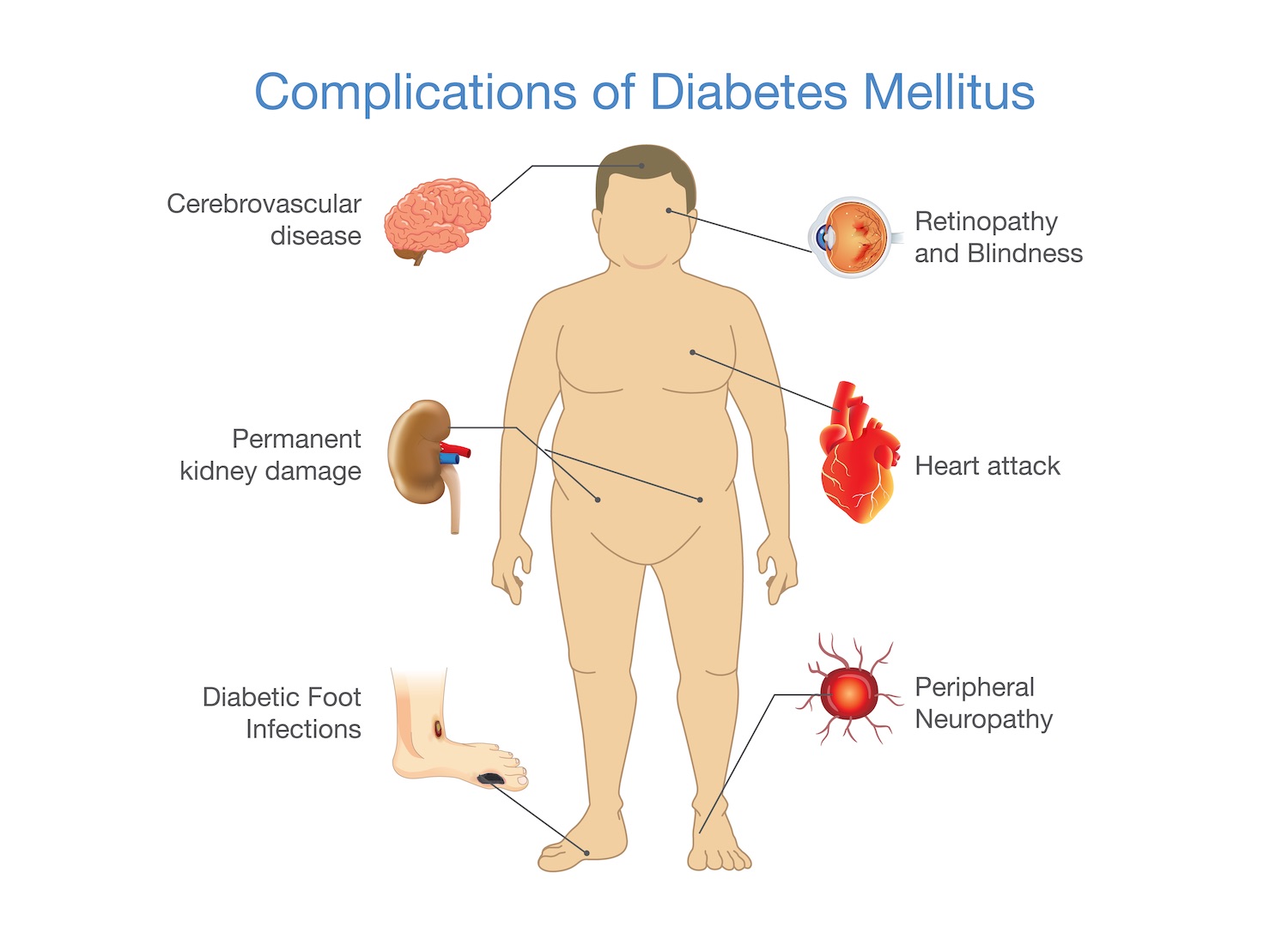
Diabetes affects many major organs in the body, including heart, blood vessels, nerves, eyes and kidneys. The long-term complications of diabetes develop gradually; they can eventually be disabling or even life-threatening. Some of the potential complications of diabetes include:
 Hyperglycemic hyperosmolar nonketotic syndrome (HHNS) : This life-threatening condition includes a blood sugar reading higher than 600 mg/dL (33.3 mmol/L). HHNS can cause dry mouth, extreme thirst, drowsiness, confusion, dark urine and convulsions.
Diabetic ketoacidosis (DKA): If body cells are starved for energy than they start breaking down fat. This produces toxic acids known as ketones which are than detected in urine
Hypoglycemia : This is a condition when the blood sugar level drops below the target range. This may happen due to variety of reasons including skipping a meal, unintentionally taking more medications than usual or getting more physical activity than normal. Signs and symptoms of low blood sugar include— sweating, shakiness, weakness, hunger, irritability, dizziness, headache, blurred vision, heart palpitations, slurred speech, drowsiness and confusion. This may be a life-threatening situation and needs urgent medical intervention.
Atherosclerosis : Increased risk of heart disease and stroke
Nerve damage (Neuropathy) : Tingling, numbness, burning or pain that usually begins at the tips of the toes or fingers and gradually spreads upward. For men, erectile dysfunction may be an issue
Nephropathy : End-stage renal disease
Eye Diseases : Cataracts, Glaucoma, Retinopathy, potentially leading to blindness
Skin diseases : Recurrent bacterial & fungal infections
Healing problems: Left untreated, cuts and blisters can become serious infections, which may heal poorly. Severe damage might require toe, foot or leg amputation